

Mesenchymal Stem Cell (MSC) Therapy is a state-of-the-art regenerative treatment that utilizes your body’s own healing potential to repair damaged tissues, reduce inflammation, and promote overall recovery. Mesenchymal stem cells are a versatile type of stem cell found in bone marrow, fat tissue, and other areas, capable of transforming into cartilage, bone, muscle, or fat cells as needed.
MSC Therapy is especially valuable for conditions such as joint degeneration, osteoarthritis, sports injuries, autoimmune disorders, and certain chronic inflammatory diseases. In this therapy, MSCs are collected from a suitable source, processed, and concentrated in a sterile lab. They are then reinjected into an affected area (like a damaged joint) or administered intravenously to support systemic healing. These cells can modulate the immune system, help replenish tissue, and stimulate natural repair mechanisms—offering potential benefits where conventional therapies may be limited.
Osteoarthritis occurs when cartilage—the smooth tissue that cushions joints—deteriorates over time. As cartilage wears thin, bones begin rubbing against each other, causing pain, inflammation, and reduced mobility. The condition progresses through five distinct stages, from initial cartilage softening to complete joint space narrowing and bone-on-bone contact.
MSC Therapeutic Mechanism:
Cell Preparation & Quality Control: Mesenchymal stem cells are carefully prepared through a well-defined production process, with each phase refining the cells for optimal therapeutic potential.
Targeted Injection: MSCs are delivered directly to the affected joint area, ensuring concentrated therapeutic action where it’s needed most.
Cartilage Regeneration: MSCs differentiate into chondrocytes (cartilage cells), actively rebuilding damaged cartilage tissue and restoring the smooth joint surface essential for pain-free movement.
Growth Factor Secretion: The stem cells release powerful growth factors, cytokines, and signaling molecules that stimulate local tissue repair and encourage the body’s natural healing processes.
Inflammation Suppression: MSCs modulate immune responses by secreting anti-inflammatory factors, reducing joint inflammation that contributes to pain and further cartilage breakdown.
Unlike temporary pain relief treatments, Rejoint therapy provides lasting results by actually regenerating damaged cartilage tissue, replacing compromised cells with healthy, functional cartilage that restores normal joint mechanics.
By addressing the root causes of osteoarthritis pain—inflammation and cartilage loss—MSC therapy delivers significant, long-lasting pain relief while restoring range of motion and joint stability for improved quality of life.
The therapy halts the degenerative cycle of osteoarthritis, preventing complications such as bone spurs, joint deformities, and the progression to bone-on-bone contact that would otherwise require surgical intervention.
Rejoint offers a sophisticated alternative to joint replacement surgery, with minimal downtime, reduced risks, and the ability to maintain natural joint structure while achieving therapeutic benefits.
Osteoarthritis (OA) progresses through five stages that reflect the extent of joint degeneration: Stage 0 (Normal) shows no signs of OA and the joints are healthy; Stage 1 (Doubtful) has minor changes with slight joint space narrowing but no definite signs of arthritis or symptoms; Stage 2 (Mild) reveals mild narrowing, small bone spurs, and occasional pain or stiffness after inactivity or exercise; Stage 3 (Moderate) involves more pronounced narrowing, increased cartilage loss, pain, stiffness, reduced joint function, and diminished quality of life; and Stage 4 (Severe) features severe joint damage, extensive cartilage loss, bone spurs, deformities, and significant limitations to mobility, often requiring aggressive treatments like joint replacement surgery.


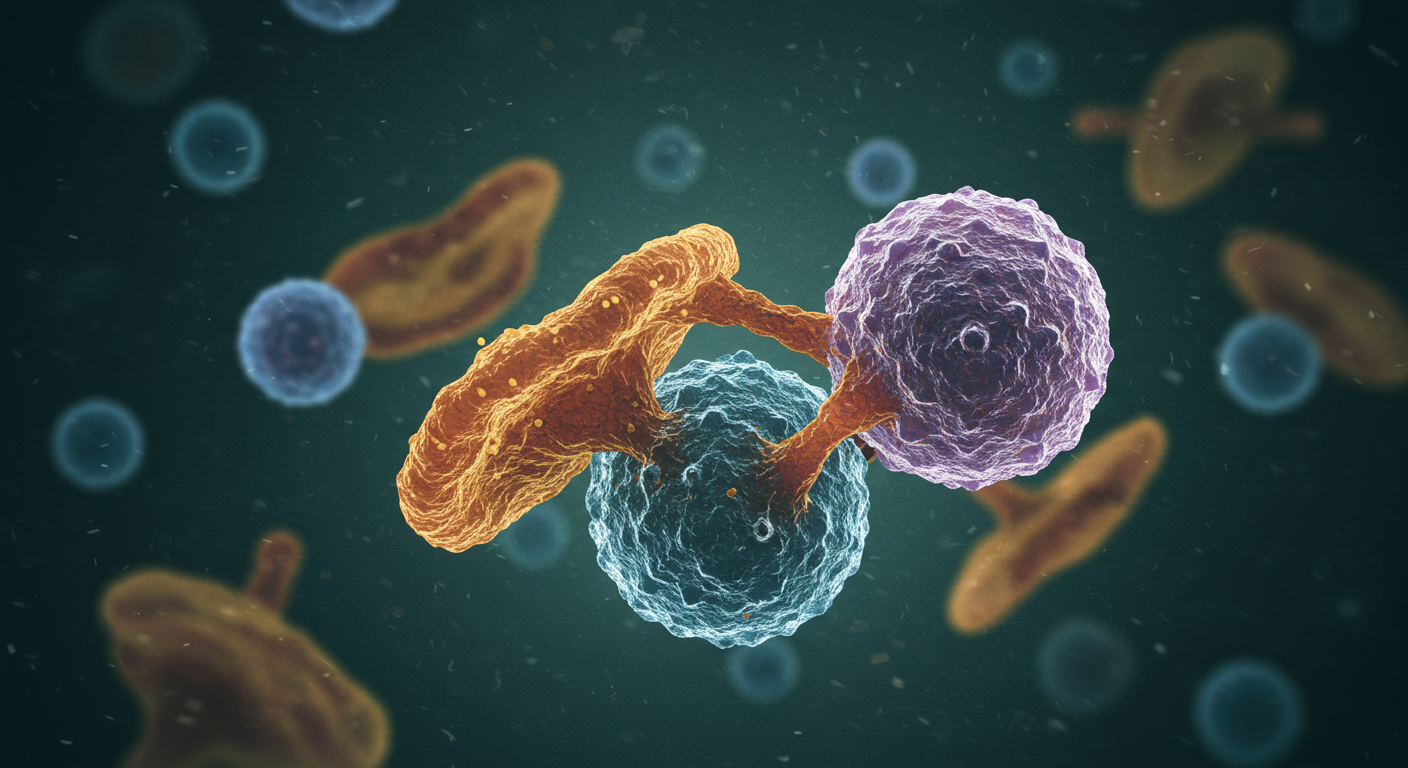
The promising potency of MSCs to promote tissue repair and modulate inflammation is useful for QA. The cells have the ability to differentiate into other types including chondrocytes (cartilage cells).

MSC-based stem cell therapy such as Rejoint offer more than a cutting-edge technology, it offers a series of unique advantages that transforms how OA is treated.


Rejoint therapy works at the cellular level to address the fundamental problem in osteoarthritis—cartilage loss. While conventional treatments like pain medications, physical therapy, or corticosteroid injections only manage symptoms temporarily, MSC therapy actually regenerates the damaged cartilage tissue.
The mesenchymal stem cells differentiate into chondrocytes (cartilage-producing cells) and secrete growth factors that promote tissue repair, while simultaneously reducing inflammation through immune modulation. This comprehensive approach treats the cause rather than just the symptoms, leading to permanent restoration of joint function.
Rejoint therapy is most effective in the earlier to moderate stages of osteoarthritis (Stages 1-4), where some cartilage remains. The treatment can halt disease progression and regenerate damaged areas before complete cartilage loss occurs.
Even in advanced cases, MSC therapy can provide significant pain relief and functional improvement, though the degree of cartilage regeneration may be limited. Early intervention yields the best outcomes, as there’s more existing cartilage structure to work with and less inflammatory damage to reverse.
The Rejoint procedure involves a carefully controlled process where MSCs are prepared and then injected directly into the affected joint under sterile conditions. The treatment is minimally invasive, typically performed as an outpatient procedure.
Initial improvements in pain and stiffness may be noticed within 2-4 weeks, with continued improvement over 3-6 months as cartilage regeneration progresses. The full therapeutic benefit develops gradually as new cartilage matures and joint function is restored.
Yes, the results can be permanent because Rejoint therapy actually replaces damaged cartilage with new, healthy tissue rather than providing temporary symptom relief. The success rate varies based on several factors including the stage of osteoarthritis, patient age, overall health, joint affected, and adherence to post-treatment care.
Generally, younger patients with early-stage osteoarthritis experience the highest success rates. The regenerated cartilage, once established, functions as normal cartilage and can last for many years with proper joint care.
Unlike joint replacement surgery, which removes natural joint structures and replaces them with artificial components, Rejoint preserves and restores your natural joint. There’s no risk of implant rejection, wear, or the need for future revision surgeries.
Recovery time is significantly shorter, and you maintain natural joint biomechanics. Ideal candidates are individuals with osteoarthritis who want to avoid surgery, those seeking long-term solutions rather than symptom management, patients who haven’t responded well to conservative treatments, and individuals looking to maintain an active lifestyle without the limitations imposed by progressive joint deterioration.
Experience personalised treatments that restore vitality, refine your appearance, and elevate your overall wellbeing.
Mon to Sat: 10am – 6pm (By Appointment Only)
Sunday: Closed
Public Holidays: Closed

WhatsApp us